








Somewhere along the way, selling a medical practice became accepted as the natural next step.
The paperwork gets heavier. Staffing gets harder.
Insurance contracts become more complicated. A buyer shows up offering relief, financial security, and the promise that someone else will handle the business.
For some physicians, that is the right decision.

But physicians deserve a serious alternative before they hand over the keys to something they spent years building.
I believe independent practice has a future. Making that future possible requires us to stop confusing independence with doing everything alone.
I started where healthcare actually happens
My career did not begin in a boardroom.
I started in behavioral health, working with children and families in their homes. The work included helping kids develop basic living skills, manage behaviors, and navigate circumstances that no billing code could fully explain.
You learn something working inside someone’s home that you cannot learn from a spreadsheet: access to healthcare is only one part of what determines whether someone gets healthier.
Family circumstances matter. Housing matters. Trust matters. Whether someone understands and can follow a treatment plan matters.
Those experiences shaped how I think about leadership. Decisions made far from a patient’s home still land inside it.
As my career moved into leadership roles at Sutter Health, Alignment Healthcare, and now PromiseCare, the questions became larger. How do we build networks? How do we pay physicians? How do we keep an organization financially healthy while improving the care people receive?
But the underlying responsibility stayed the same: build something that works for the people depending on it.
Ownership needs a workable business behind it
Today, as CEO of PromiseCare, I work with independent physicians navigating a complicated payer landscape.
A physician can be excellent at medicine and still struggle to operate a practice.
Rent is due. Employees need to be paid. Claims need follow-up. Contracts need review. Patients need appointments. Technology needs to work.
None of those responsibilities disappears because the physician has a waiting room full of people.
When the business becomes overwhelming, selling can feel like the only realistic answer.
That is where I think our industry needs to offer more.
Telling physicians to “stay independent” is easy. Giving them the infrastructure to make independence sustainable takes actual work.
They need access to appropriate payer contracts, reliable administrative support, useful financial information, and help understanding the obligations attached to different payment models.
They also need partners who respect that a practice is more than a collection of billing codes. It is an employer, a community resource, and often the product of someone’s entire professional life.
Scale does not have to require a sale
Large healthcare organizations can spread administrative costs across many locations. They can employ specialized teams and invest in capabilities that a small practice may struggle to afford.
Independent physicians need access to those capabilities, too.
Independent physician associations and management services organizations can help provide that support. Depending on their structure, they can connect practices with contracting opportunities, administrative services, care coordination, and resources for participating in different reimbursement arrangements.
The details matter. What responsibilities does the organization take on? What does the physician retain? How is the organization paid? What happens when performance falls short?
A partnership should make those answers clearer.
The goal should be straightforward: give physicians the support to run a stronger practice while preserving meaningful control over their work.
An independent practice with dependable support has more room to plan, invest, and improve. That is a much stronger foundation than asking an exhausted physician to simply work harder.
Better contracts are only part of the answer
Getting access to a contract is a starting point.
A practice also needs to understand how that contract translates into daily operations. What services are included? How will payment arrive? What information must be submitted? What resources are available when a patient needs additional help?
Payment arrangements can create opportunities to invest in prevention and coordination. They can also create responsibilities that practices are not prepared to manage.
A contract that looks attractive on paper can become a problem if nobody has built the systems needed to support it.
My view is that leadership has to connect the financial model with the clinical reality.
If we expect a physician to manage a patient population differently, we need to make sure the practice has the people, information, and operational support to do it.
Why I started Healthcare Uncut
These are the conversations I want more people to hear.
I created Healthcare Uncut to bring physicians, operators, entrepreneurs, and other healthcare voices into candid discussions about how the system actually works.
I want to understand what people are building, where incentives break down, and which ideas hold up when they meet the realities of running a business and caring for patients.
That means asking uncomfortable questions. Who pays? Who benefits? What does the patient experience? Can a small practice realistically participate?
It also means listening to people whose experiences differ from mine.
The podcast gives those conversations room to happen, including disagreements that deserve more than a short headline or a polished talking point.
Give physicians a real choice
I am not arguing that every physician should own a practice. Employment can be a good choice. So can a sale.
But the choice becomes much less meaningful when the business environment makes ownership feel impossible.
I choose to build organizations that help physicians remain owners if that is what they want.
That requires practical support, transparent economics, and a willingness to measure success by whether the practice is stronger because we are involved.
Physicians should be able to build something, serve their communities, and retain a meaningful stake in what they created.
Our job as healthcare leaders is to help make that possible.
ABOUT THE AUTHOR
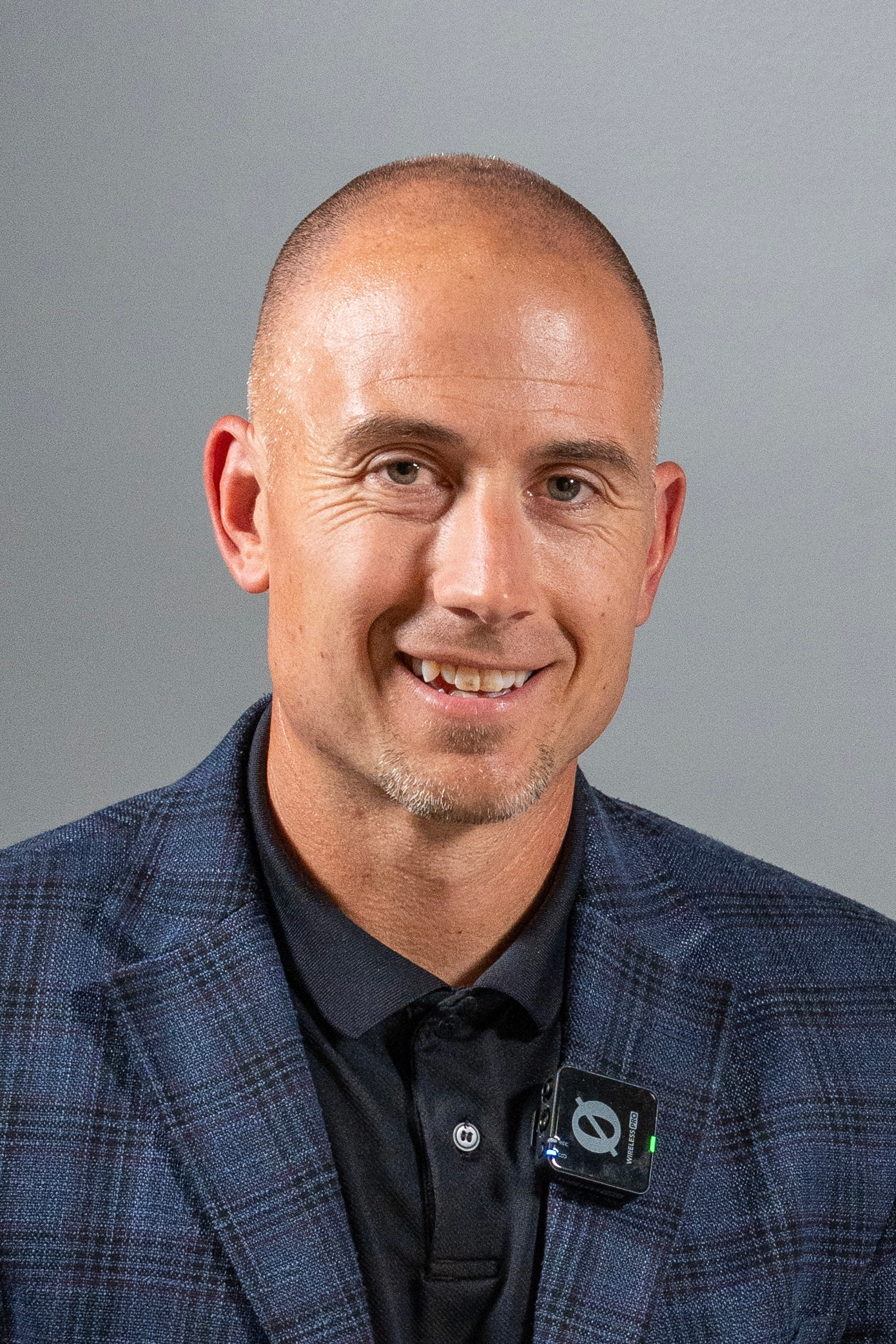
Ben Phillips is CEO of PromiseCare, a management services organization helping independent physicians navigate the payer landscape, access contracts, and maintain their autonomy. His career spans frontline behavioral health and leadership roles at Sutter Health and Alignment Healthcare, with experience in provider networks, operations, and value-based care.
He holds a bachelor’s degree in health science from the University of Nevada, Reno, and an MBA from the University of Massachusetts Amherst. Ben also hosts Healthcare Uncut, a podcast featuring candid conversations about healthcare’s business, incentives, and future.
Connect with him on LinkedIn: https://www.linkedin.com/in/benphillipsceo