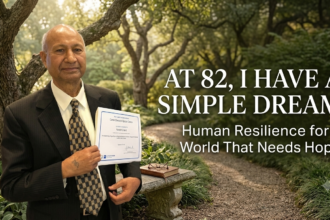

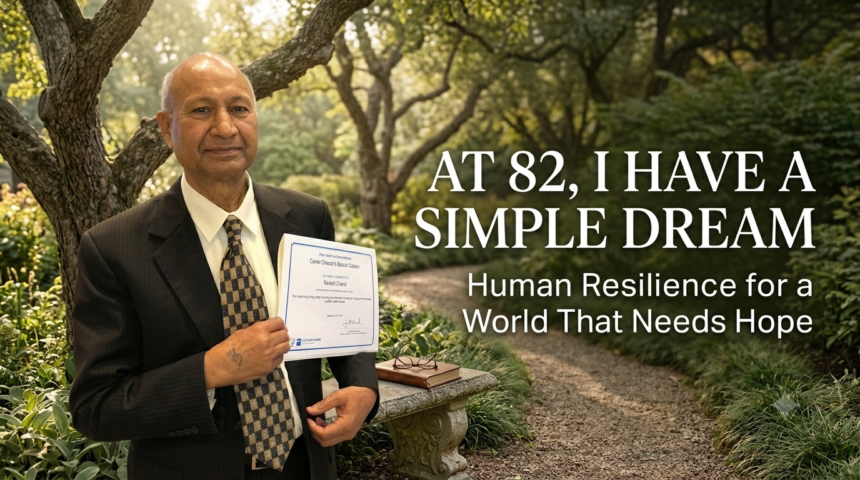
On November 15, 2026, I will celebrate my 82nd birthday. I have a simple dream: that my book, Human Resilience, becomes a useful legacy for families, caregivers, and people of every age. I hope these ideas will travel from person to person, perhaps reaching many people around the world who could benefit.
I would be delighted to see the book recognized as an Amazon bestseller around my birthday. Yet that is only a milestone, not my main purpose. My greater hope is that readers find something practical that helps them protect their independence, dignity, and quality of life.
What does human resilience mean?
Resilience does not mean never getting sick or never facing hardship. It means adapting when life changes, regaining abilities when possible, and finding ways to keep learning, connecting with others, and doing what matters to us. Even with illness or advancing age, we can take steps to support everyday function and a meaningful life.
What is the Terrain Model?
Think of a garden. Seeds alone do not determine whether plants thrive. The garden also needs suitable soil, water, light, nourishment, and care. Our health is similar: many conditions influence how well we function.
My Terrain Model offers a way to see the whole picture. It asks us to consider the body, our daily habits, our relationships, and our surroundings together—not as separate pieces. It is an educational guide, not a replacement for medical diagnosis, treatment, or rehabilitation.
Our internal and external terrain
Our internal terrain includes what is happening inside the body: blood pressure, circulation, blood sugar, digestion, sleep, brain function, and the many systems that help us adapt. Our external terrain includes the conditions of daily life: nutritious food and safe water, clean air, opportunities to move, supportive relationships, financial pressures, and access to healthcare.
These two sides affect each other. A person may want to eat well and exercise, for example, but find it difficult without affordable food, a safe place to walk, or someone to offer support.
Even routine medical testing can show why it helps to look beyond a single number. Many people know their LDL cholesterol level. Two other tests, called ApoB and Lp(a), may offer additional information about cardiovascular risk. ApoB helps estimate the number of particles that can contribute to plaque in arteries. Lp(a) measures a risk factor that is largely inherited. A healthcare professional can help decide whether these tests are appropriate and what their results mean.
Why I wrote this book now
On November 18, 1998, I experienced a hemorrhagic stroke—a stroke caused by bleeding in the brain. My career included pharmaceutical research (R&D), and I later served as a Health Scientist Administrator at the National Institutes of Health. But living through a serious health event taught me things professional training alone could not.
Over nearly 28 years, I kept learning, rehabilitating, teaching, and adjusting my routines. I paid attention to nourishment, suitable hydration, comfortable digestion, movement, strength and balance, breathing, sleep, friendships, and purpose. Gentle yogic stretching, coordinated with my breathing, became part of my practice.
These are personal experiences, not proof that a specific routine reversed my stroke or can prevent disease in someone else. They helped me ask better questions about how people can care for themselves while working with their healthcare teams.
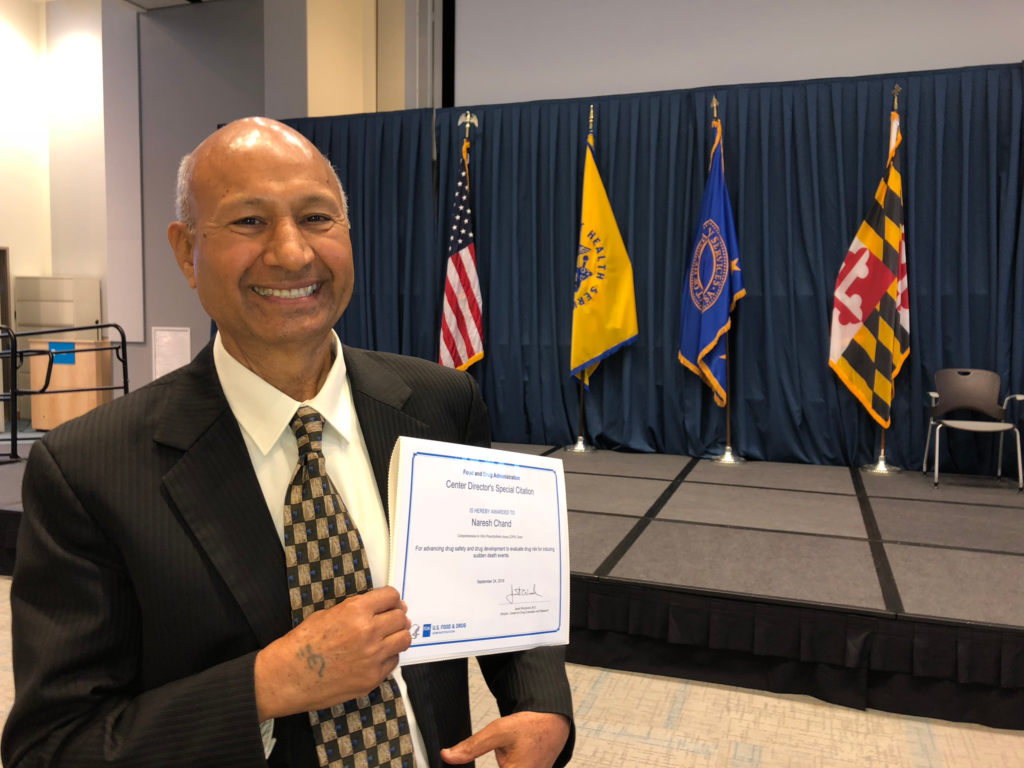
As my 82nd birthday approached, one question stayed with me: What could I leave behind that might still help someone after I am gone? Human Resilience grew from that question. It brings together practical habits, awareness of health risks, appropriate medical care, and lifelong learning.
Still a seeker, still a student
I keep studying, practicing yoga, teaching, and serving my community. Growing older has not ended my curiosity. We do not have to change everything at once. One useful step might be checking blood pressure, improving sleep, moving more safely, asking a clinician a question, or reconnecting with a friend.
A personal invitation
Resilience also has a personal meaning for our family. My daughter, Smita, has faced serious health challenges that have affected her ability to work. I share this briefly, with respect for her privacy, because many families know what it means to live with uncertainty and to accept help while preserving dignity.
If this message speaks to you, I invite you to read the book, share an idea from it, or gift a copy to someone who might find it useful. Each thoughtful conversation may carry its message a little farther.
Purchase or gift Human Resilience through Smita’s Amazon link: https://amzn.to/4ei6G8w
Learn more about the book: https://humanresiliencebook.com
Disclosure: As an Amazon Associate, Smita may earn a commission from qualifying purchases, at no additional cost to the buyer.
My dream is not that one book will cure illness or reach billions of readers. It is that useful knowledge will be shared across families and generations. If even one reader finds a way to live with greater independence, dignity, and hope, this work will have served a meaningful purpose.
At 82, I am still a seeker of knowledge—and I believe we are never too old to learn, contribute, or make a difference.
ABOUT THE AUTHOR
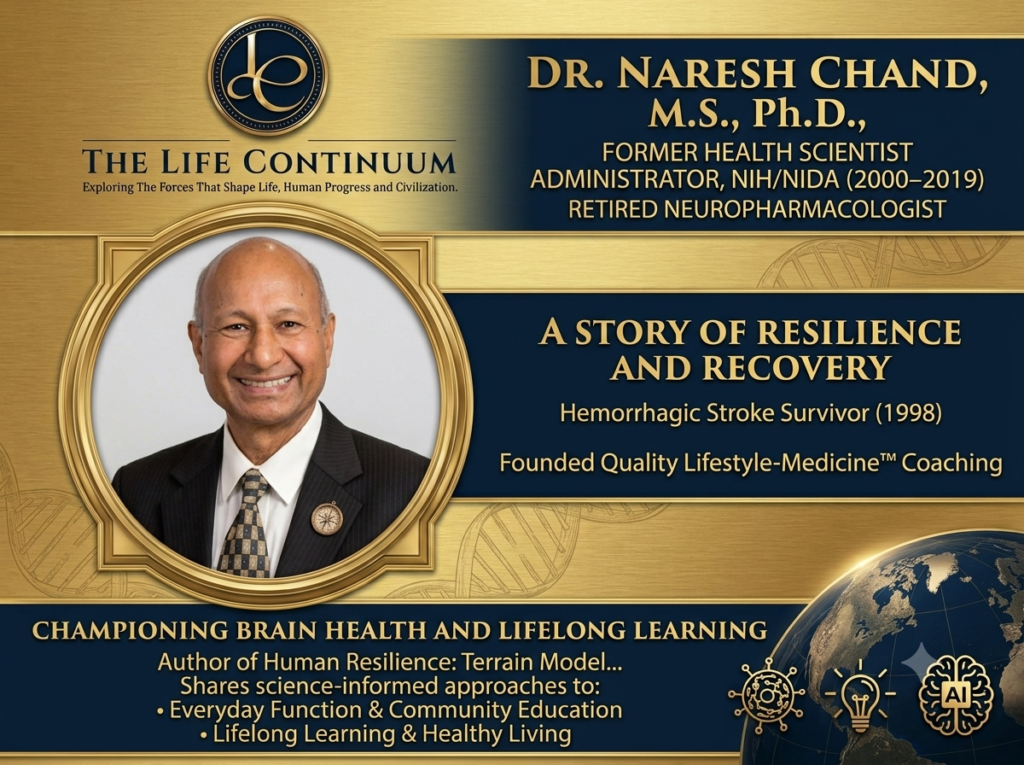
Dr. Naresh Chand, M.S., Ph.D., is a retired neuropharmacologist and former Health Scientist Administrator at NIH/NIDA (2000–2019).
A survivor of a hemorrhagic stroke in 1998, he founded Quality Lifestyle-Medicine™ Coaching and wrote Human Resilience: Terrain Model for Preserving Brain Function, Independence, Dignity, and Quality of Life. He shares science-informed approaches to everyday function, lifelong learning, and healthy living through community education.